
When breastfeeding isn’t going well, it’s a good idea to check for tongue tie. Sore nipples, clicking, difficulty latching, a shallow latch, or baby not drinking enough milk at the breast etc are all signs and symptoms of tongue tie. And it may well be! But there are many other reasons for these (and other) breastfeeding issues that are best ruled out before proceeding with a tongue tie release.
When it is not tongue tie: It might be…
1. A tight jaw or neck muscle.
Babies may receive an injury during the birth process e.g. from rough handling during a c-section or forceps. They may have incurred it inutero due to cramped conditions. A baby may not be able to open their mouth wide because the digastric muscle or the pterygoid muscle may be tight on one side. Both of these are jaw muscles that can cause significant discomfort to babies. Mothers may have pain, need to use a shield or baby may not be able to take a full feed at the breast. The neck muscles may also be involved – torticollis (a tight sternocleidomastoid muscle) may make latching difficult, particularly on one breast.

2. A cardiac or respiratory issue.
Laryngomalacia causes a narrowing of the airway and can make feeding hard work and stressful for babies. Babies may struggle to coordinate the suck swallow breathe reflex – they may come off and on the breast and may struggle to take a full feed. They have a characteristic stridor when they breathe in. Tracheomalacia is a similar respiratory issue found in babies, except the stridor is on the out breath. Babies with undiagnosed heart issues may first present with feeding issues – easily falling asleep at the breast. It is important to seek medical advice if you suspect your baby has a cardiac or respiratory condition.
3. Stress.
Babies who have had a difficult birth or who have been exposed to chronic levels of stress inutero may still have stress cycling in their nervous system. These babies may cry at the breast and may be too dysregulated to feed. Babies may have moved from “fight or flight” to “freeze” and may seem to do nothing but sleep – making it difficult to rouse them to feed. One treatment of craniosacral therapy is often enough to reset the nervous system after birth. A calm baby feeds much better than a stressed baby!

4. The birth.
More than stress, a baby may simply need to communicate their birth journey. Arching back, twisting away from the breast, pushing with the legs are all movements the baby makes on their way out of the birth canal. These cardinal movements may have been interrupted (in an emergency c-section) or there may have been a difficult part of the birth that particularly hurt. They may point repeatedly to a place on their head or use these kinds of body language to express their story. Holding space for this story can help the baby to release and relax enough to latch. This can be done during baby led attachment. Lying back and putting baby between the breasts and watching their movements and expressions as they make their way to the breast is the best way to do this on your own. A craniosacral treatment can also help the baby to integrate and literally “move on” to the breast.
5. Cranial nerve dysfunction (CND).
There are twelve cranial nerves that wind their way from the brainstem to various areas of the face, head, neck and body. These nerves are important in feeding. During the birth process, the cranial bones may shift and cause compression of a nerves pathway resulting in feeding difficulty. Forceps can damage the facial nerve leading to muscle weakness and facial asymmetry. CND can also be caused by inflammation of tissues around the nerves. Craniosacral therapy can facilitate the cranial bones to come back into position of ease after birth and can assist the body’s own healing to make space around the nerve pathways. This can have a positive impact on feeding (including for babies who struggle with solid foods).
6. Food sensitivities.
When babies are in discomfort from some component of the breast milk (often dairy or soy protein) they will communicate this at the breast. They may have mixed feelings about feeding, needing to feed for hunger but wary of potential discomfort. They may pop off and on the breast, have a shallow latch or not want to feed at the breast at all. Eliminating the offending food should reveal improvement in symptoms within 3-4 days.
7 . Discontinuation syndrome.
Thirty percent of babies who are exposed to antidepressants inutero will experience withdrawal symptoms, one of which is poor feeding. These babies tend to have a disorganised, inefficient suck and may be excessively sleepy or unsettled. Craniosacral treatment can help to support the baby through any difficulty.
8. Low Supply
Most mums make enough milk for their baby. But there are a small percentage who do not. Insufficient glandular tissue (IGT) or metabolic disease (PCOS, insulin resistance) can impact a mother’s ability to provide a full milk supply for her baby. It may be difficult in the early days to notice – baby may fall asleep within minutes of feeding, may want to feed constantly and may act fussy when latching to the breast. These are symptoms of tongue tie too. A lactation consultant can assess both the milk supply and check for tongue tie.
In our rush to help these babies to better breastfeed, too often babies undergo tongue tie release before all of these other issues have been considered. I am guilty of this too. I used to work in a tongue tie clinic where there were many babies who improved with breastfeeding after a tongue tie release, but quite a few who didn’t. This is the reason that I initially trained as a craniosacral therapist. Once we know better, we do better!
If you are having breastfeeding difficulties and are concerned there might be a tongue tie, please see a lactation consultant or bodyworker (chiro, osteo, craniosacral therapy) to get to the root cause of your issues. As a lactation consultant (IBCLC) and craniosacral therapist (RCST) in private practice, I use my skills and experience to help babies, and their mothers to work through these breastfeeding difficulties, avoiding a procedure where possible. Mothers in Perth or those interested in online support can contact me here:
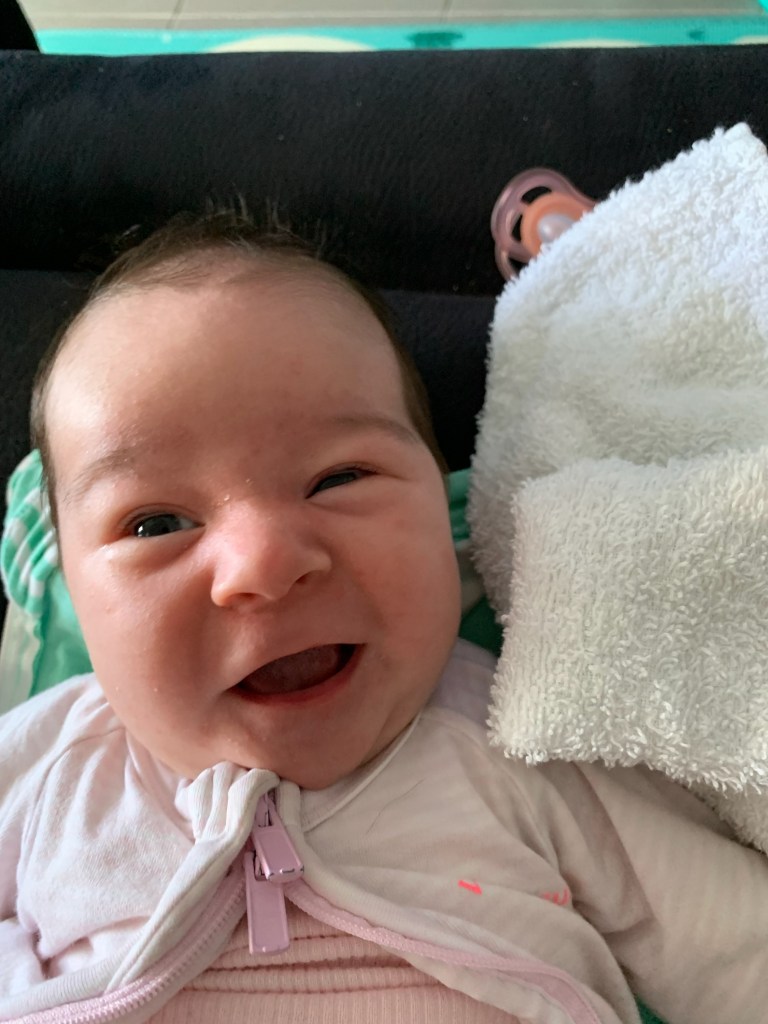
Photos shared with permission.
 Flow Cranio and Lactation